One Hundred and Eighty Coats and One Clear Exit: Reading a Winter Run From the Front Desk
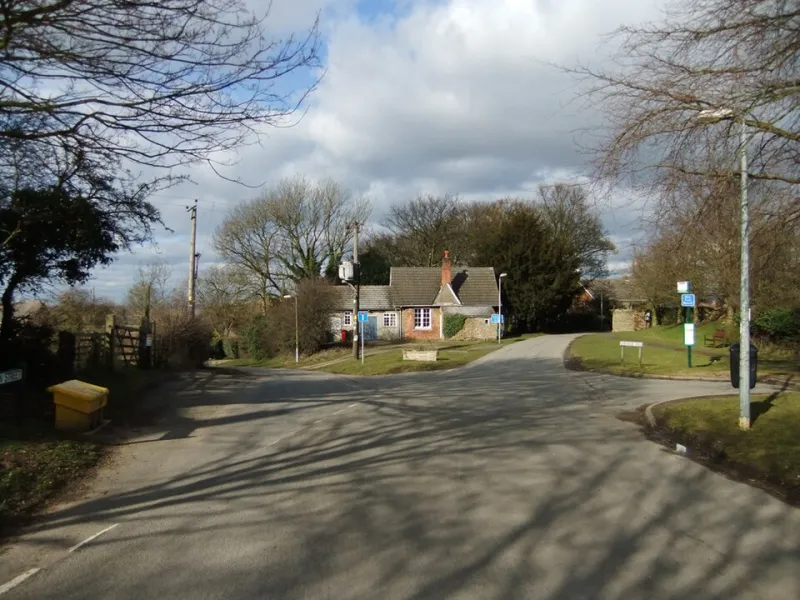
Photo: David Wright, CC BY-SA 2.0, via Wikimedia Commons
The notebook started as a way of keeping track of coat hooks. It ended up being the most useful piece of audience research I've ever done.
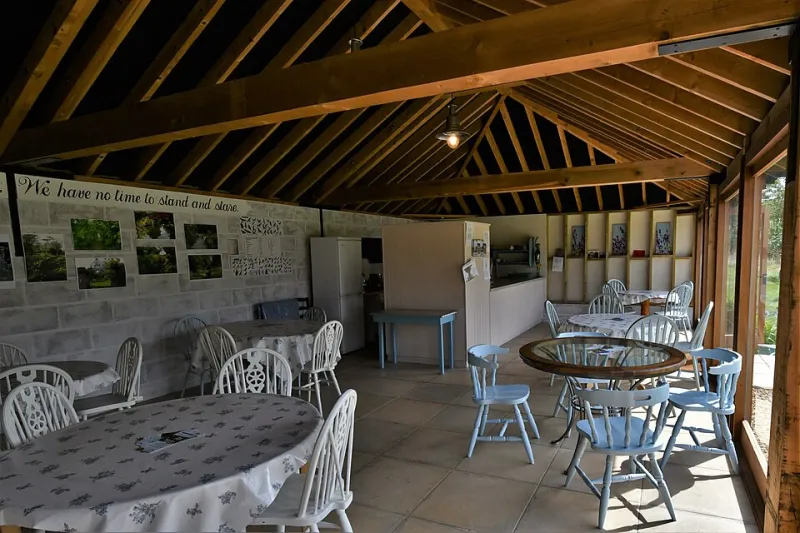
We were midway through a winter run in a village hall with a radiators-sometimes-on policy and a lobby the size of a generous landing. Someone had to stand at the trestle table by the door with a pad, take coats, hand out numbered raffle tickets, and keep a rough count so we'd know how many hangers to beg, borrow or nick from the cloakroom at the leisure centre. That someone was usually me.
By the last night the pad had 180 tally marks on it, a ring of mug stains, and a set of observations I now think about more than any post-show discussion I've ever sat through.
The tally that isn't admin
On paper, counting coats is housekeeping. In practice it's a live readout of how an audience is arriving: in what numbers, at what speed, in what mood, and with how much stuff.
A coat count tells you things a ticket scan can't. It tells you that on the wet Tuesday we had 31 coats in the first eight minutes and then almost nothing until the five-minute call, which meant a clump of people in the lobby at the exact moment we wanted them seated. It tells you that the Saturday matinee brought whole families, so the tally jumped in fours and fives and the queue moved at the speed of a buggy being folded. It tells you that the night the boiler gave up, nobody wanted to hand over their coat at all, because a coat was the only warm thing in the building.
None of that is in the running order. All of it changes the running order.
Arrivals are half the show
The rehearsal-room version of a winter audience imagines people walking in calm and dry, hanging things up neatly, finding a seat, reading the programme. The real version involves a squall, a puddle in the porch, three people asking whether the car park floods, and one gentleman who would like to know if there's anywhere he can put a folding shopping trolley.
So we stopped treating the lobby as a corridor and started treating it as an act. Someone was always out there. The trestle table was pushed back so the queue could breathe. We put a second, smaller rail up for children's coats at their height, which sounds twee and was in fact the single most popular decision of the run. We learned to have a cloth for the floor by the door and to use it before people arrived rather than after, because a wet floor is a warning sign and a dry one is an invitation.
Small things. But an audience that has spent four minutes wrestling with a damp sleeve is not yet an audience. They arrive in the room late, in body and in attention.
The interval is a plumbing problem
We had built a fifteen-minute interval because fifteen minutes is what you say when you're twenty-six and can hold your bladder through anything.
Fifteen minutes was wrong. Not because the show needed longer to breathe, but because a cold-weather audience moves slower and arrives with a coat to reclaim. In the first week, the interval was mostly a queue: retrieve coat, go outside, stand under the overhang, come back in, re-hang coat, find seat. Fifteen minutes got us back into the second half with about two-thirds of the room actually in it.
We went to twenty. We put the exit route to the smoking spot and the wet-weather shelter on a hand-drawn sign with an arrow the size of my forearm. We stopped guarding the coat rail and let people take their own coats, because trust moves faster than tickets. And we moved the raffle-ticket system to a simple, slightly undignified claim-your-own arrangement that nobody abused once in nineteen performances.
Twenty minutes felt self-indulgent in rehearsal. In a room full of damp wool it was just accurate.
Heat is part of the staging, not the venue's problem
There's a temptation to think of warmth as a building issue — the hall's job, not the show's. But the temperature of a room shapes what an audience will give you. A cold room is polite. A cold room claps on time and leaves quickly.
The things that actually helped were unglamorous: asking people to keep coats if they wanted, rather than the panto-style insistence that everyone hand over their outer layer; a stack of blankets in a basket by the door with a sign saying please borrow, please return; and moving the first ten minutes of the second act into a section that asked the audience to lean forward rather than settle back. You can't heat a hall with blocking, but you can give a room something to do with its hands.
We also learned the radiator politics. Two hours before doors, the caretaker would come round and bleed the one in the corner that gurgled. If it was a hard frost, we ran the first half six minutes shorter and let the interval carry the warmth. Nobody in the audience knew. Everybody in the audience felt it.
Build the ending a coat ahead
The last thing I'd change now, if I ran it again, is the curtain call.
We'd rehearsed a proper one: a song, a reprise, a bit of business with the company coming forward. It went down well in the warm weeks. In the cold weeks you could feel the room calculating — the coat rail, the car, the babysitter, the road out of the village which floods if it rains hard enough.
So we trimmed it. One reprise, no second bow, a clear thank-you, and a line in the closing speech telling people where the rail was and that the back door was open onto the lit path. It felt like giving up something. What it actually did was send people home warm on the show rather than cool on the queue.
An ending isn't just the last thing that happens on stage. It's the last thing that happens at all, and for most of the audience that means a coat, a door and a walk to the car.
What's in the margin
I still have the notebook. Nineteen nights, 180 coats, a handful of notes in the margin: boiler, buggy night, frost — 6 mins off act one, new rail works.
None of it reads like theatre. All of it is. Pacing isn't a thing you decide in a rehearsal room with the heating on and everyone in shirtsleeves. It's something you find out from the people standing in your lobby with dripping sleeves, working out whether they can trust you with their coat.
Get that bit right and the rest of the evening has a fighting chance.