Steam, Squash and the First Five Minutes: Rethinking Hospitality in Small Venues
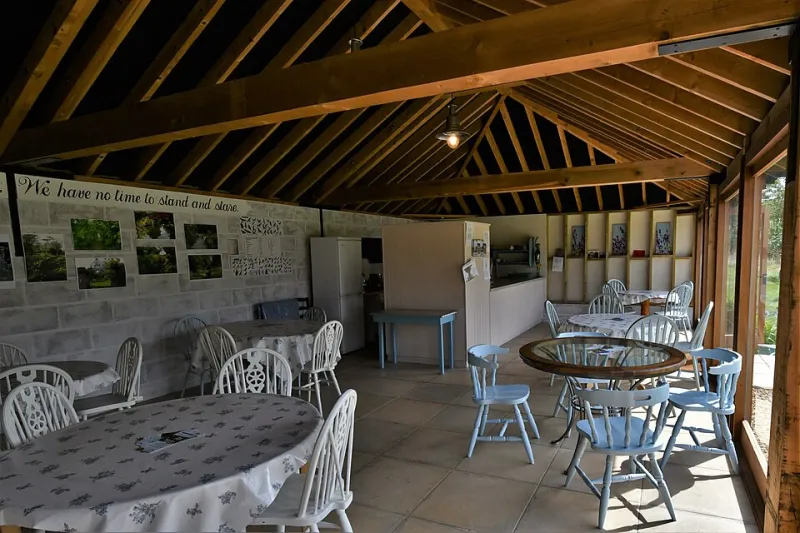
Photo: Michael Garlick , CC BY-SA 2.0, via Wikimedia Commons
There is a particular sound a village hall makes when it is getting ready for a show. Chairs dragged across lino. A door propped open with a wedge of folded card. And, somewhere near the back, the low rumble of an urn coming up to temperature. If you have spent any time making theatre in community venues, you already know that sound means more than hot water. It means someone has thought about the room.
I have been on both sides of that table: the one pouring the tea and the one standing behind a curtain wondering whether the audience is out there or still in the car park. The lesson is always the same. Hospitality is not a nice extra tacked onto the production. It is part of the production. Audiences feel it long before they can explain it.
The bit before the play starts
A show begins when the first person walks through the door, not when the lights go down. In a proper theatre, front-of-house staff, signage and a bar do a lot of quiet work. In a parish room, you are often the whole apparatus: box office, bar, usher, caretaker and person who knows where the extra loo roll lives. That first five minutes is your opening scene. If it is chaotic, the audience carries that chaos into the performance. If it is warm and legible, they settle. They trust you.
This is not about pretend-professional polish. It is about signals. A handwritten sign with an arrow is a signal. A jug of squash next to the urn is a signal. A bin bag visible from the door is a signal, and not the one you want. Small choices tell people whether they can relax.
What the audience actually reads
The strange thing about hospitality is that it is mostly invisible when it works. Nobody applauds the person who remembered to buy milk. But they notice the absence. They notice when the interval queue is a scrum, when there is no cold drink on a warm evening, when the only available biscuit is a lonely digestive that has gone soft in the tin.
I have seen a room change because someone put out a proper tea towel instead of a roll of blue paper. I have seen a post-show conversation go on for twenty minutes longer because there was a second pot of tea. None of that is sentimental. It is atmosphere, and atmosphere is a production value. It changes how people listen. It changes how long they stay.
The green-room non-negotiables
Green-room manners matter as much as green-room supplies. Cast and crew are often arriving from work, from childcare, from a bus that did not come. They need somewhere to put a coat, a surface that is not covered in paint, and a clear answer to the question: what time are we actually on?
A few things I would now treat as basic:
- Water that is actually hot, and a backup kettle. Urns are wonderful until they trip the circuit. Know where the fuse box is before you need it.
- Milk in a jug, not a bottle on the table. It sounds fussy. It is not. It is the difference between a shared drink and a scrum.
- A cold option. Squash, cordial, a jug of water with slices of lemon if you are feeling grand. Not everyone drinks tea, and not everyone wants caffeine at 7.30pm.
- Biscuits in a tin with a lid. It keeps them fresh and makes the table look intentional. A tin also survives being knocked off a folding table, which is more than can be said for a packet.
- A washing-up bowl, a cloth and a bin bag. The unholy trinity of community venue survival.
- A note on allergies. If you are putting out food, label it. It takes two minutes and it is the sort of hospitality that actually cares.
A small-venue checklist that earns its keep
Before doors, walk the route the audience will take. Can they see where to pay? Can they see where to sit? Can they see where the loos are? Is there a place to put a wet umbrella? In November, that last one matters more than the programme design.
Then check the green room. Is there a mirror that is not propped against a stack of chairs? Is there a rail or a hook for costumes? Are there enough cups for the cast at the interval, or will the front-of-house team be washing up while the second act starts? These are not glamorous questions. They are the questions that decide whether the evening feels held together.
And brief your front-of-house person properly. Not just the ticket prices. Tell them where the first-aid kit is, who the venue contact is, what to do if the urn trips the power, and whether the audience is allowed to take drinks in. A confident person at the door is worth a lot.
When it goes wrong, and why that is still theatre
I have known an urn blow a fuse ten minutes before a full house. I have known a borrowed kettle be returned with a note that simply said, in block capitals, 'SORRY'. I have known a biscuit tin contain nothing but a single custard cream and a hairgrip. These things happen. The point is not to achieve perfection. The point is to have a plan and a sense of humour.
Audiences are forgiving of a wonky sign or a queue. They are less forgiving of being made to feel like an inconvenience. If something goes wrong, say so, fix what you can, and keep the tone light. That is hospitality too: the ability to absorb a small disaster without passing it on.
The bill at the end
Hospitality costs money, but less than people think. A tin of biscuits, a bottle of squash, a bag of tea bags and a pint of milk is not a budget line that will sink a show. The bigger cost is attention. Someone has to remember. Someone has to arrive early with a cool bag and leave late with a washing-up bowl. That labour is real, and it should be named in the production meeting rather than left to the person who happens to be kind.
So put it in the schedule. Put it in the budget, even if the budget is thirty pounds and a favour. Put it in the risk assessment. The kettle is part of the set. The tea towel is part of the welcome. And the first five minutes, before anyone has said a line, are part of the show.