Postage Paid Both Ways: What Arrives When the Work Comes Back
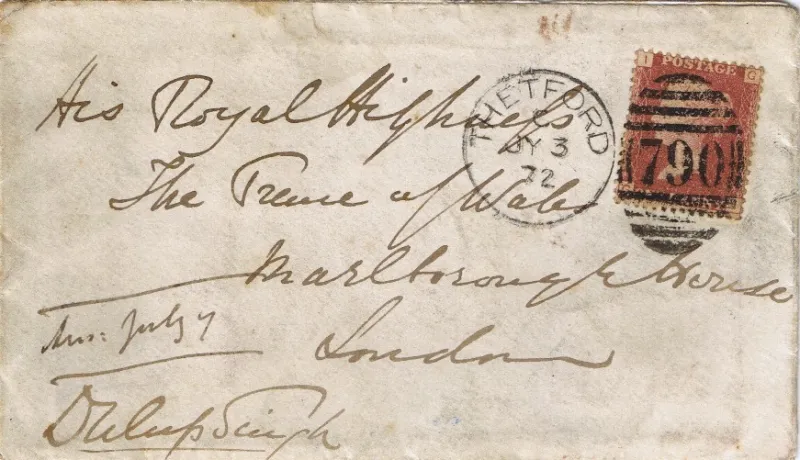
Photo: See description, Public domain, via Wikimedia Commons
There is a particular sound a returned manuscript makes when it lands on the doormat. Not heavy, exactly. More a dry, papery thump, followed by the realisation that you recognise your own handwriting on the front.
I have received a lot of these. Envelopes with my own address on them, posted by me, to me, by way of somebody else's desk. Emails with the subject line starting RE: and a document attached that I last opened three months ago and have since convinced myself was quite good.
It's an odd ritual, and I don't think we talk about it honestly enough.
The optimism of the SAE
Sending a stamped addressed envelope is an act of faith with a second-class stamp on it. You are paying, in advance, for your own disappointment to be delivered efficiently. That's not cynicism — it's just what the envelope is. It's a round trip you've budgeted for.
Most submissions have gone digital now, which is cheaper and faster and has removed one small pleasure: the physical evidence. A rejection email can be deleted in a second. A returned script sits on the kitchen table for a week, quietly judging the washing-up.
I'm not nostalgic for the post exactly. But there's something clarifying about a thing you can hold, put in a pile, and deal with.
Triage, in three piles
When work comes back, I don't read the note first. I sort.
Pile one: unchanged. No comments, no mark-up, a standard line about the volume of submissions. This tells you almost nothing except that a human being pressed send. It is not a verdict on the work. It is a verdict on the ratio of submissions to slots, which is a number you cannot argue with.
Pile two: touched. A sentence or two that suggests someone actually read it. 'Loved the voice, lost the thread in the second half.' That is worth more than a cheque in some ways, because it's specific and it's actionable.
Pile three: the ones that stung. A note that names the exact thing you were privately worried about. These are horrible for about forty-eight hours and then become the most valuable things in the folder.
Feedback is a weather report
Here's the thing I wish someone had told me earlier: a rejection is not a grade. It's a report from one person, on one day, in one mood, against one particular set of tastes and one particular gap in their issue.
Two magazines can return the same story, one saying it's too quiet and one saying it's too busy. Both are telling the truth about their own reading, and neither is telling you the truth about the story. You're looking for patterns, not verdicts. If four readers in a row lose the thread in the same place, the thread is genuinely loose. If one person didn't like the ending, that's weather.
Fixing versus rehoming
This is the distinction that has saved me the most time. When something comes back, ask one question: does this piece need repairing, or does it need a different address?
Fixing means the engine is sound and a part is wrong. The pacing sags. The point of view wobbles. Someone arrives too late. That's craft, and craft is work you can do on a Tuesday evening.
Rehoming means nothing is broken and the fit is wrong. A gentle 2,000-word story about a bus stop is not going to land with a magazine that publishes sharp, high-concept flash. It's not a worse story. It's a story wearing the wrong coat to the wrong party. Sending it out four more times to the same kind of place is not persistence; it's a subscription to the same disappointment.
The UK submissions landscape is wide, and it's mostly made of small rooms. There are little magazines run by three people in a spare bedroom, competitions with entry fees that make you wince, regional writing groups, arts-centre reading nights, and presses that open a window for six weeks a year and then go quiet. The trick is matching the work to the room, not the room to your ego.
What I do before I post anything now
- Keep a simple log: where it went, when, what came back. Memory is a liar and spreadsheets are not.
- Read the submission guidelines twice, especially the word count. Half of all rejections are admin.
- Name the file properly. 'Final_FINAL_v3' tells an editor nothing except that you are tired.
- Never send anything out on the day I finish it. Three days of distance catches most of the obvious problems.
- Always have the next place picked before the envelope goes out. Hope with a plan attached is much more durable than hope on its own.
And when the envelope comes back — because it will, often — I try to open it standing up, in daylight, with something else to do afterwards.
That's the whole method, really. Post it out, take it back, sort it, decide. The envelope isn't a verdict. It's just the next round of postage.