A Year of Small, Stubborn Making: Ten Habits That Actually Helped
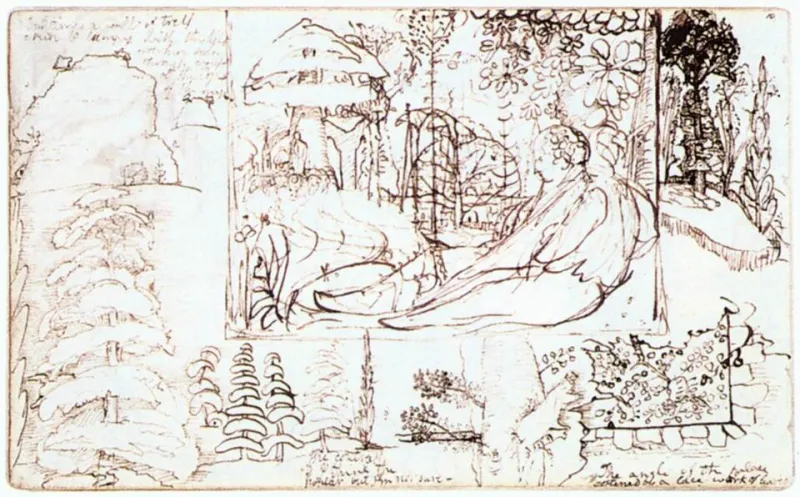
Photo: Samuel Palmer, Public domain, via Wikimedia Commons
By January 2026 I had a day job, a sketchbook I kept forgetting, and a vague plan to do more creative stuff. I had also read enough productivity advice to know that I did not want a five a.m. routine, a colour-coded calendar or a personality built around waking up before the sun. What I wanted was to keep making things without turning my life into a second job. These are the ten habits that actually helped. None of them are impressive. That is the point.
1. Keep one envelope for every rejection
Every rejection email gets printed, folded and dated, then put in the same brown envelope. It is not a punishment. It is evidence. When I feel like I have not done anything all year, I open the envelope and see that I sent things out. Rejections are proof of attempts. The envelope is nearly full, which is oddly comforting.
2. Hold a monthly scratch night with one friend
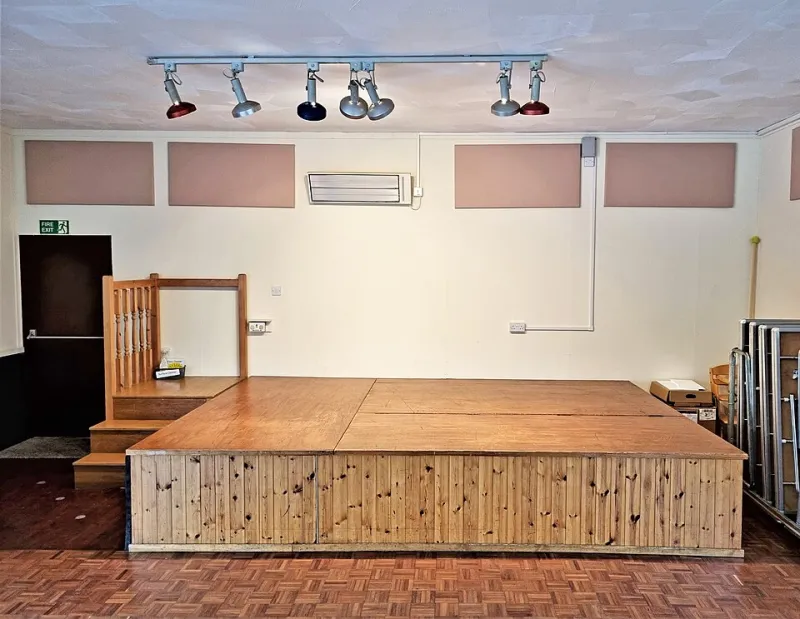
Once a month I meet a friend in the back room of a pub. We each get twenty minutes to show something rough: a scene, a few pages, a drawing, a bad idea. No audience, no feedback sandwich, no networking. We set a timer and drink tea. It is the least dramatic deadline I have ever had, and the only one I have kept all year.
3. Carry a pocket sketchbook and a pencil you like
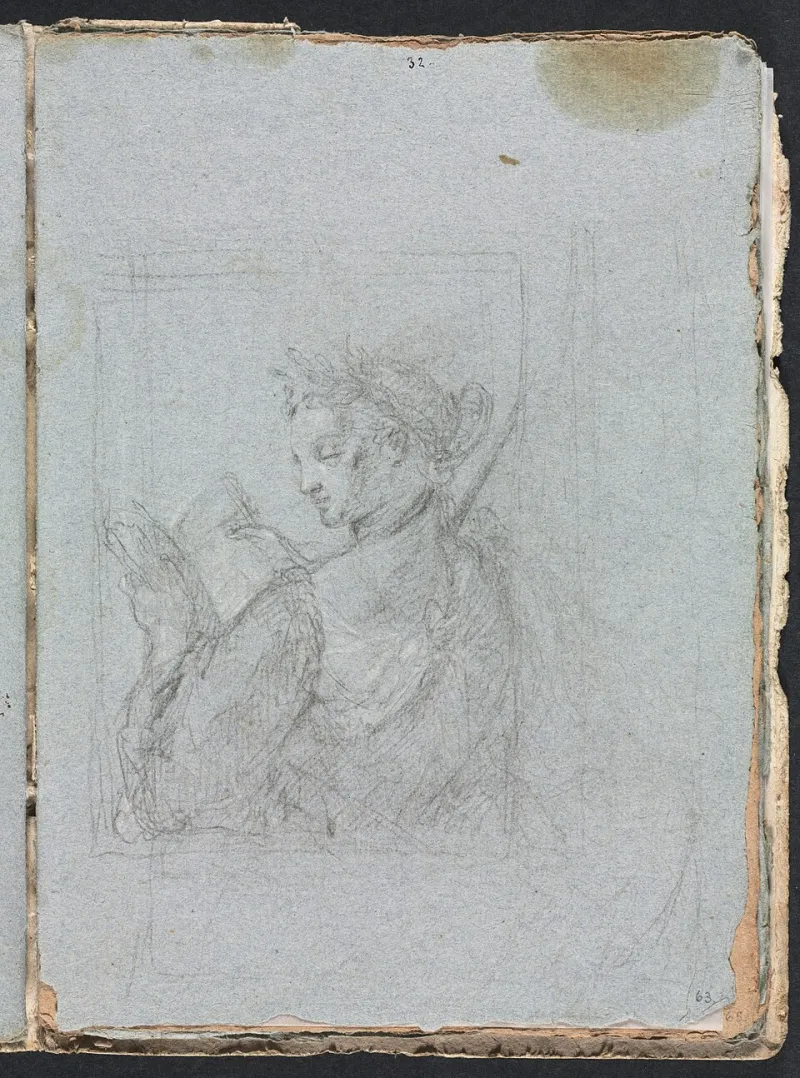
Not a nice sketchbook. A cheap one that fits in a coat pocket. I draw on the train, while the kettle boils, in the queue at the pharmacy. Most of it is rubbish. Some of it turns into something. The rule is simple: if I am waiting, I can draw. It turns dead time into small time.
4. Protect a forty-minute making window, not a morning routine
Twice a week I put my phone in the other room and make something for forty minutes. That is it. I do not try to write a masterpiece. I do not track my streak. I just keep the window open. Some weeks it is the only creative time I get, and that is enough to stop the whole thing going stale.
5. Do a weekly admin half-hour
Submissions, invoices, emails, gallery calls, theatre applications. One timer, thirty minutes, then stop. Before this I either ignored admin for months or let it eat a whole Sunday. Now it has a slot. It is boring, but it is contained.
6. Keep a done list, not a to-do list
On Friday I write down three things I actually did. Not things I meant to do. Not things I should have done. Things I did. Some weeks the list says: sent a pitch, drew a hand, went to a scratch night. Some weeks it says: bought a new pencil, watched a play online, emailed a friend. Both count.
7. See one live thing a month
A local theatre show, an open mic, a free gallery, a library reading. It does not have to be expensive or good. Seeing other people make things in a room reminds me that making things in a room is possible. It is also a good excuse to leave the house in the rain.
8. Limit active projects to three
One writing project, one drawing project, one performing project. Everything else goes on a shelf. I used to have nine things on the go and none of them finished. Now I have three, and sometimes only one gets attention. That is fine. The shelf is not a graveyard. It is a waiting room.
9. Put ten pounds a week in a materials jar
It is not a business plan. It is a small permission slip. Ten pounds a week for paper, paint, train fare to a show, a ticket, a book. If I do not spend it, it rolls over. If I do, I do not feel guilty. Creative work costs money, even the scrappy kind.
10. Review the year four times, not daily
Once a season I sit down with a friend and a cup of tea and ask three questions: what did I make, what did I avoid, and what do I want to be different next season? That is it. No daily tracker, no graphs, no hustle. Just four check-ins a year. It keeps me honest without making me obsessive.
The through-line is not discipline. It is lowering the drama. I am not trying to optimise my creative life. I am trying to keep it alive alongside paid work, tired evenings and the general business of being a person in the UK in 2026. The envelope is full. The scratch night is booked. The window is open.