Playing to the Pavement: A Shopfront Theatre Diary
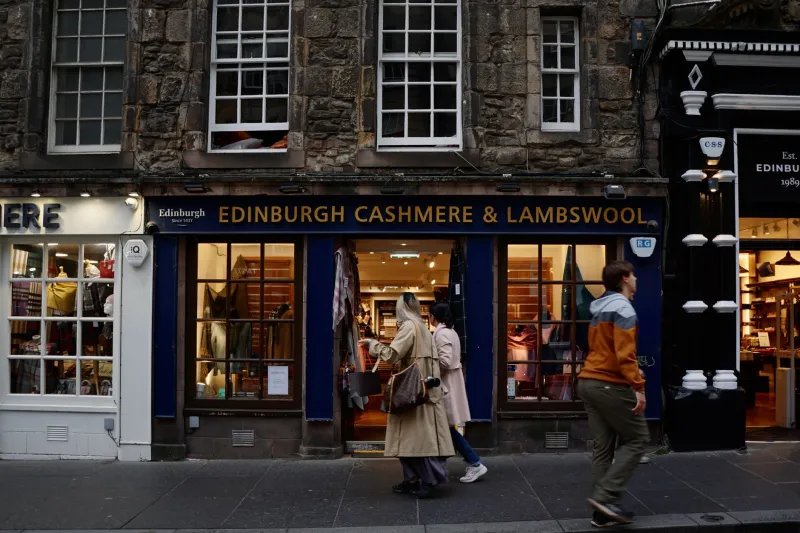
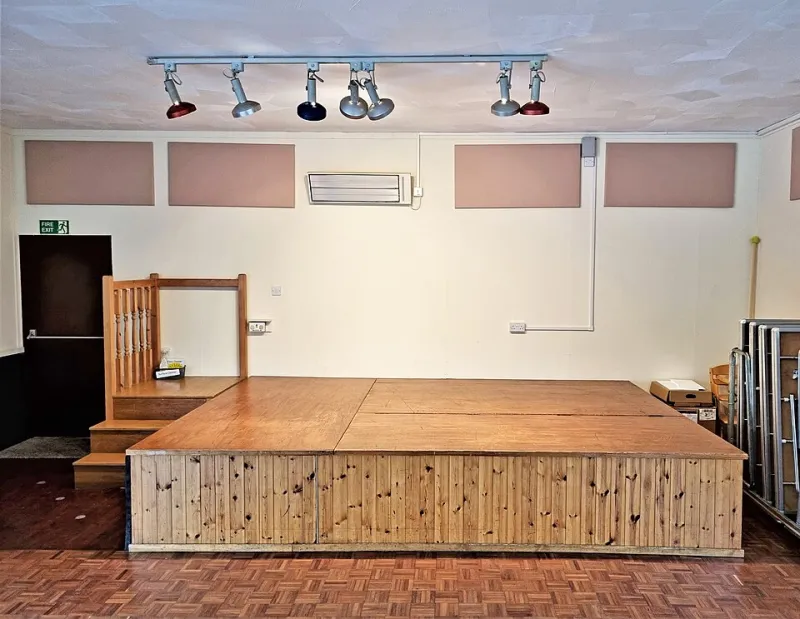
At the start of 2026 I found myself standing in an empty shop unit on a high street in a small UK town, holding a tape measure and a mug of tea that had gone cold. The unit had been a card shop, then a phone repair place, then nothing for eleven months. The landlord wanted it occupied. The council wanted the high street to feel alive. A few of us wanted to put on a play. That is how the Shop Window Stage began: a thirty-seat performance space behind a plate-glass window, with the pavement as our foyer and the 18:42 bus as our occasional sound effect.
The unit and the ask
We took a six-week licence, not a lease. That mattered. It kept the commitment small enough to be honest about and short enough that nobody had to pretend we were regenerating the entire town. We pitched it as short-term cultural use: a play, two scratch nights, a few open rehearsals, and the window dressed as a workspace when we were not performing. The rent was modest. The paperwork was less so.
We needed public liability insurance, a fire risk assessment, and a conversation with the council about change of use. None of it was glamorous. All of it was necessary. The fire officer was kind and precise: keep the exit clear, mark it, do not block the back door, do not exceed thirty people. We bought signs. We argued about a curtain. We lost the argument about the curtain.
Permissions, insurance and the great fire door debate
The biggest lesson was that a shop is not a theatre, even when you put chairs in it. The front door was our main entrance and our emergency exit. The back door opened onto a service yard with a step and a wheelie bin. We had to rehearse the audience flow as carefully as we rehearsed the play. A steward stood outside with a clipboard. We marked the queue line with tape. We wrote a little speech for the start of each show: welcome, phones off, toilets are next door in the library, please do not open the fire door for a cigarette.
Music was another small hurdle. We had a licensed track in one scene, so we looked into PRS and PPL. In the end we used a friend's original recording and saved ourselves a headache. If you are doing this, budget time for the boring bits. The boring bits are the show.
Lighting a stage for about £140
We had no rig. We had clip lights from a DIY shop, two LED work lights, a dimmer, parchment, blackout fabric, gaffer tape and a lot of extension leads. We tested everything in the dark after the shop had closed. The result was not the National Theatre. It was closer to a very ambitious living room. But faces were visible, shadows were intentional-ish, and the window became a frame.
The best purchase was a roll of blackout fabric. It let us control the spill from the street and made the inside feel like a room rather than a display. The worst purchase was a cheap strobe that made one actor look like a malfunctioning fridge. We sent it back.
Audience flow and the pavement chorus
We did twenty-five seats, timed slots, free with a reservation, pay-what-you-want on the door. The steward outside was essential. Not just for tickets, but for translation. People wanted to know what was happening. Was it a shop? Was it a rehearsal? Could they come in? The answer was usually yes, if there was space, and that was the whole point.
Passersby stopped. Some watched the entire play through the glass. That was the point and also the problem. A woman tapped on the window during a monologue to ask if we were open. A hen party paused, cheered, and moved on. A man walked in halfway through a Thursday preview, asked if we sold vapes, and left. We put a sign on the door: This is a theatre. Please come in quietly or watch from outside. It helped. Most people were lovely. One person asked if we were a pop-up charity shop. I said no, we were a pop-up play.
What the shop window changed
It made theatre visible. Not just accessible, visible. People who would never book a ticket for a studio show saw a scene while waiting for a bus. They heard a line through an open door. They asked questions. Some of them came back. That is not nothing.
High street vacancies are not romantic. They are a symptom of real economic pressure, and a six-week licence is not a solution. But it is a small, honest use of a gap. It gave us a stage, it gave the street something to look at, and it gave me a new respect for the phrase 'meanwhile use'. We are planning another short run later in 2026, maybe a scratch night in the same window. The card shop is still empty. The pavement is still there. The bus still goes past at 18:42.