Curtain Down, Phone Out: What Really Happens When They Scan the Programme
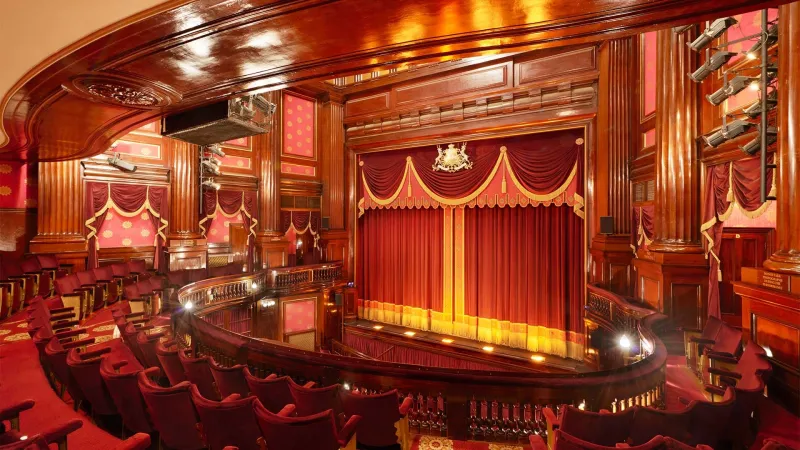
Photo: theatre programme QR code audience phone after show UK, via cdn.squaremile.com
The tiny square that says we're modern now
There is a moment, just after the curtain call, when a theatre audience turns back into a room full of people with phones. Coats come off the backs of seats. Someone finds a lost glove. And a handful of people squint at the QR code on the back of the programme, usually printed at the size of a postage stamp and placed next to a paragraph about the building's fire exits.
I have been in that audience. I have also been the person who designed the programme, which means I have watched the analytics with the same mix of hope and dread that you reserve for a party you have hosted. The QR code is not a marketing plan. It is a little hatch in the wall of the evening. What matters is where the hatch leads.
From curiosity to consent in about eleven seconds
The journey usually begins with a vague sense of obligation. The programme cost £4.50, the show was good, and the code promises 'more'. If the link goes to a homepage, the journey ends there. If it goes to a page that says 'Sign up to our newsletter' before it says anything else, the journey ends with a back button and a small feeling of being hustled.
The better route is less ambitious: a page that thanks the audience, offers one genuinely useful thing (a cast list, a rehearsal diary, a link to the next show in the same venue), and then asks for an email address with a clear sentence about what will arrive and how often. Consent has to be a real choice, not a dark pattern with a close button the size of a crumb.
Under UK GDPR and the Privacy and Electronic Communications Regulations, that means no pre-ticked boxes, no 'by scanning this code you agree to receive marketing from our partners', and no pretending that a newsletter sign-up is the same as buying a ticket. The Information Commissioner's Office has been fairly clear about this for years, and audiences are getting sharper at spotting the difference between a friendly follow-up and a data grab.
Link rot is the enemy of the after-show glow
Here is the unglamorous bit. A QR code is a printed URL with a haircut. If the page behind it moves, the code becomes a tiny square that leads to a 404 and a mild sense of betrayal. I have seen codes on programmes from a festival two summers ago that now point to a domain that no longer exists. The show was brilliant. The code is a dead end.
The fix is boring and effective: use a stable short link you control, redirect it to the current page, and check the destination every time you send a print run to the printers. If you are using a third-party QR generator, keep a record of the redirect. If you are using a URL shortener, make sure it is not the free one that folds after twelve months. The code should be able to survive a website redesign, a change of venue, and the departure of the person who set it up.
What the analytics actually tell you
Scan numbers are not the same as audience engagement. A scan is a moment of curiosity. A sign-up is a decision. A reply to the first email is a relationship. I have seen a programme with a 2% scan rate produce more useful feedback than one with a 20% scan rate, because the second one led to a page that asked for a survey before it offered a cup of tea.
If you are printing 500 programmes for a village hall tour, do not expect a QR code to build your mailing list on its own. Expect it to catch the people who were already leaning in. Give them a reason to stay: a short note from the director, a behind-the-scenes photo that did not make the flyer, a discount for the next show that is genuinely a discount and not a full-price ticket with a bow on it.
The code is not the plan
The programme QR code is a useful little tool. It is not a strategy, a community, or a substitute for talking to people in the bar after the show. The best version of it is modest: one clear destination, one honest ask, one human sentence about what happens next. The worst version is a maze of tracking parameters and a mailing list that nobody remembers joining.
So print the code. Check the link. Write the page like you are inviting someone to a second evening, not signing them up to a subscription. And if the scan rate is low, do not blame the audience. Blame the hatch. It is probably leading to the wrong room.