Gaffer Tape and Good Intentions: A Prop Kit That Survives the Road
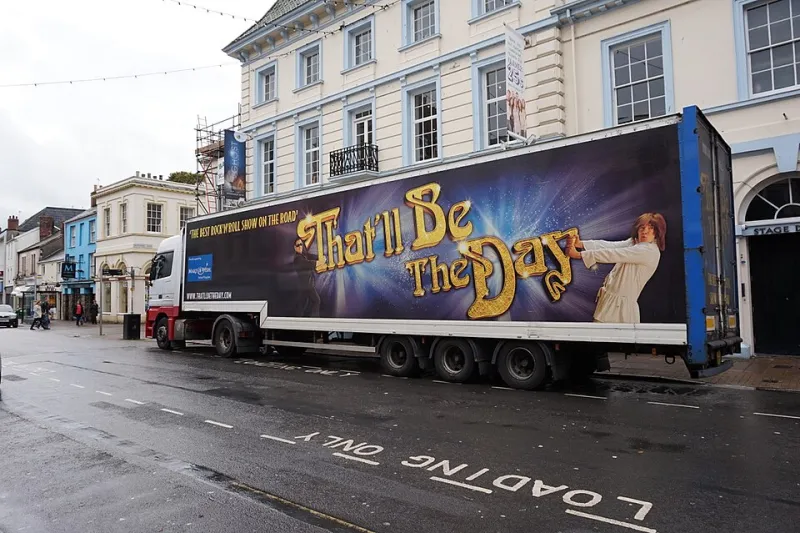
Photo: Ian S , CC BY-SA 2.0, via Wikimedia Commons
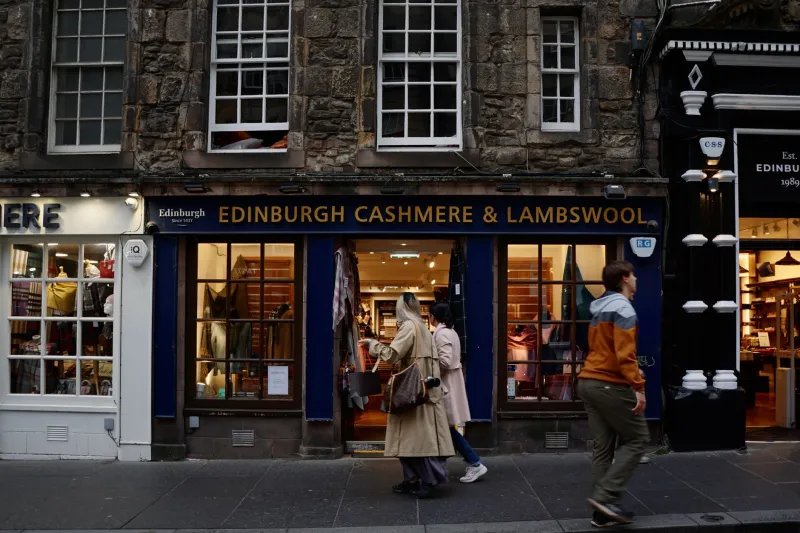
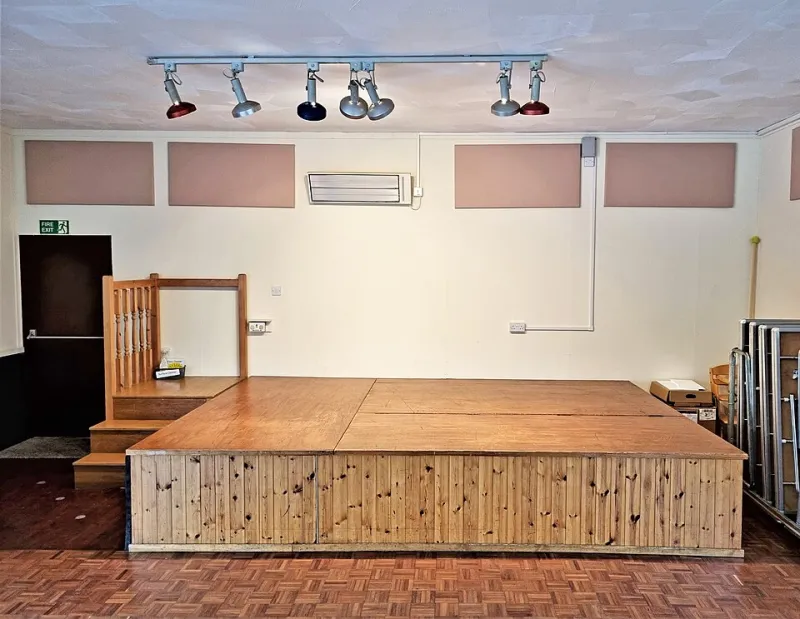
There is a particular smell to a touring prop kit: warm cardboard, faint charity-shop perfume and the ghost of a pub carpet. Mine lives in the hallway between shows, stacked in two supermarket crates and a laundry basket that has never recovered its dignity. Over the past few years I have built sets for studio scratch nights, village halls, a shopfront and one memorable church room with a damp patch shaped like Cumbria. The budget has rarely been described as healthy. What follows is not a manifesto for making everything out of loo rolls. It is a working inventory of what earns its place, what fails by the second night, and why the tight budget often makes the sharper show.
1. Cardboard is a liar with excellent posture
Cardboard looks brilliant under a rehearsal-room light. It promises depth, texture and a whole fake wall for the price of a delivery box. Then it meets a damp church hall, a van door and an audience member in a wet coat. The lesson is not to avoid cardboard. The lesson is to stop asking it to be structure. Cut it, paint it, tape it to something honest, and accept that it is scenery with a short life. If a piece of set has to survive more than three get-ins, it needs wood, metal or a very forgiving friend with a van.
2. Charity-shop lamps are better than new lights
A second-hand lamp with a warm bulb does more for a small show than a cheap LED fixture that makes everyone look like they are being questioned. Charity shops are full of lamps that have already survived a house move, a divorce or a decade in a spare room. Check the cable, check the switch, tape the flex down, and budget for one PAT test if you can. The light is softer, the object has history, and nobody in the audience is thinking about the rig. They are thinking about the room. That is the job.
3. Borrowed curtains need a written contract and a repair kit
Somebody always knows somebody with a curtain. It arrives in a bin bag, smells of a front room, and is somehow both too short and too heavy. Borrowed fabric is brilliant until it is due back. Photograph it before you use it, agree what counts as damage, and keep a small sewing kit in the crate. I have learned that a safety pin is not a repair. It is a delay. The best borrowed curtains come with a clear return date and a willingness to accept that theatre happens in the gaps.
4. Gaffer tape is a relationship, not a product
Cheap tape peels. Expensive tape still peels if the floor is dusty. The trick is to clean the surface, press it down properly and stop pretending it can hold a grown adult's body weight. Gaffer tape is for cables, edges, quick fixes and marking a stage. It is not a structural engineer. I keep black, white and a bright colour for labelling. The bright colour is the one that saves you at 10pm when you cannot remember which crate has the fake flowers.
5. Paint chips are part of the design
A perfect paint job on a touring set is a fantasy. The first get-out will scratch it. The second venue will have a doorframe that hates you. So paint with that in mind. Use a base coat that looks fine when chipped. Add texture. Let the thing look used. A set that is allowed to age looks like a world. A set that is fighting to stay pristine looks like a prop. The budget tells you to stop fussing. Sometimes the budget is right.
6. Flat-pack furniture is a trap
It looks like a bargain. It is light, cheap and comes with an Allen key. Then it wobbles. Then a leg goes. Then you are on your knees in a village hall at 6.45pm with a spare bolt and a hopeful expression. If you need furniture on stage, buy the ugliest solid thing you can find and paint it. A sturdy stool from a charity shop will outlast three flat-pack shelves and a small crisis.
7. A laundry basket is a scene-change trolley
This one is not glamorous. A sturdy laundry basket with a lid can carry props, hide quick changes and be moved by one person without a risk assessment. It also stacks. The hallway kit now has two. One is for soft props. One is for everything that rattles. The rattling one is labelled in angry capitals. That label has saved more time than any clever design idea.
8. Weight is the enemy
Every object you take on tour has to be lifted, carried, loaded, unloaded and remembered. A beautiful wooden door is only beautiful until the third floor. I now ask one question of every prop: can one person carry this up a narrow staircase while somebody else holds the door? If the answer is no, the object needs a rethink. Small shows are not small because the ideas are small. They are small because the van is small and the backs are real.
9. Label everything like you are furious
Not neatly. Fiercely. Label the crate, the cable, the bag, the borrowed curtain and the box that looks the same as the other box. Use a thick marker. Use a colour code. Use a note that says this is the one with the good lamp, not the one with the broken lamp. The get-in is not the time to discover that your system was a feeling.
The hallway inventory
The kit that survives is boring and useful: gaffer tape, a sewing kit, spare bulbs, a multi-plug extension, cable ties, a small tool roll, two laundry baskets, a folded sheet for covering mess, a box of labelled soft props, a box of labelled hard props, and one lamp that has never let me down. Everything else is show-specific and negotiable. The tight budget forces those choices. It makes you ask what the scene actually needs rather than what would look nice in a photograph. By the second night, the answer is usually smaller, lighter and held together with tape.
That is not a compromise. It is the design.