Fifteen Minutes, Properly Kept: Giving the Interval Its Own Rehearsal
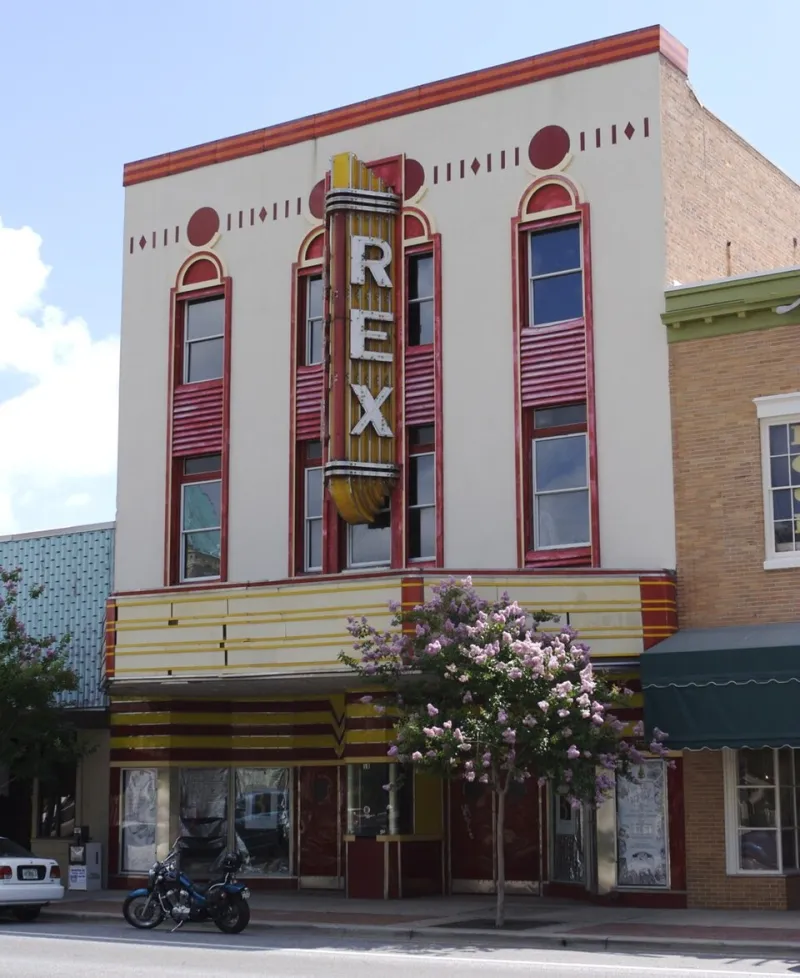
Photo: JOE the PENSAPEDIA ADMINISTRATOR, Public domain, via Wikimedia Commons
There is a moment in every small show when the lights go to half, the audience blinks, and everyone remembers they are a collection of strangers with bladders, opinions and a vague desire for a cup of tea. That moment is the interval. And most of us treat it like a loading screen.
I have done this. I have spent weeks on the first ten minutes of a show and roughly nine minutes on the break. I have assumed that if the work on stage is good enough, the bit in the middle will look after itself. It does not. The interval is part of the performance whether you design it or not. The only question is whether you design it on purpose.
The bit that never gets a review
Reviews tend to skip the interval. They mention the opening, the performances, the lighting, the fact that the second half sagged or soared. Nobody writes about the handwritten sign by the door or the tray of pear drops. But audiences remember how a room made them feel between the scenes. They remember being pointed towards the loo without having to ask. They remember being handed a paper bag of sweets by a teenager in a hoodie. They remember, in other words, being hosted.
For a small venue, that is the whole game. You are not competing with the West End on polish. You are competing on welcome. The interval is where welcome becomes visible.
Start at the door, not the stage
The cheapest interval upgrade I know is a sheet of A4 and a fat marker pen. Write: Loos through the blue door. Mind the step. Tea and cake in the hall. Back in fifteen. Stick it where people actually look, which is usually eye level on the way out, not the noticeboard by the fire exit.
Do not rely on a tannoy if you have one. Do not rely on a volunteer remembering to say it. Write it down. If your venue has two loos, say so. If one is accessible, say that too, and mean it. If the route involves a corridor that smells faintly of squash and old hymn books, own it. A good sign is not corporate wayfinding. It is a note from a person who has been in the building before.
A tray, not a tuck shop
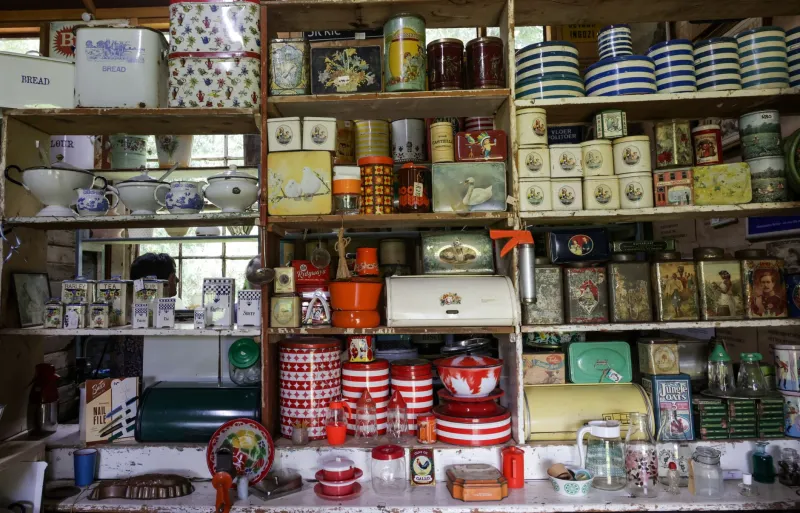
You do not need a licensed bar to make an interval feel intentional. A folding table, a tray, a jar and a stack of small paper bags will do. Fill the tray with things that feel local and slightly old-fashioned: rhubarb and custards, chocolate limes, flying saucers, pear drops. Price them at a pound a bag. Put an honesty box next to them with a note that says Please don't make me chase you. It is charming because it is true.
Check allergies. Do not pretend to be a café. If you are selling tea, make it properly and charge a fair amount. If you are not selling tea, say where the nearest decent cup is. Audiences forgive a lot when they are not being upsold.
Two songs, no more
Music in the interval is not a playlist. It is a mood with a time limit. I have learned to make a short loop of two songs, roughly six to eight minutes, and let it repeat once. No algorithm. No adverts. No sudden jazz. Download it onto a phone before you leave the house and plug it into a speaker you have tested.
Pick something that suits the room rather than the show. If the show is a tense two-hander about inheritance, you do not need tense music in the break. You need permission to exhale. If the show is a comedy, you do not need a greatest-hits set. You need something that lets people talk. Instrumental is usually safer. Vocals compete with the queue for the loo.
Give hands something to do
On the back of the programme, print a scribble prompt. Not a feedback form. Not a QR code to a mailing list. A prompt. Something like: Draw the person you came with as a piece of furniture. Or: Write down the line you would have stolen. Or: What did the room smell of when you came in?
Put a jam jar of pencils on the sweets table. Do not collect the sheets. Do not ask people to hold them up. The prompt is there for the same reason a sketchbook is there: to give the fidgety part of the brain a job. Some people will ignore it. Some people will draw a lamp that looks suspiciously like their husband. Both are fine.
Say it out loud, and write it down
The interval announcement is where good intentions go to ramble. Write it. Keep it under thirty seconds. The interval is fifteen minutes. The bar is in the hall. The loos are through the blue door. Please be back by quarter past, because the second half starts quietly and we would hate you to miss it.
Then say it again before the second half. Not as a telling-off. As a welcome back. The best interval announcements sound like someone who is genuinely pleased you came, not someone who is about to lock the doors.
The loyalty test
A small venue wins an audience in the fifteen minutes most people forget to mention. Not because the sweets are fancy, or the sign is beautiful, or the playlist is clever. Because the break feels like it belongs to the same night as the show. Because nobody is left standing in a corridor wondering whether they are allowed to be there.
So rehearse it. Not to death. Just enough. Walk the route from the auditorium to the loo and back. Check the sign is visible from the back row. Check the honesty box has change in it. Check the speaker works. Then let the interval do its quiet work.
Fifteen minutes, properly kept, is not dead air. It is the bit where the audience decides to come back.