Listen to the Boiler First: Sound Notes From Rooms That Never Signed Up for Theatre
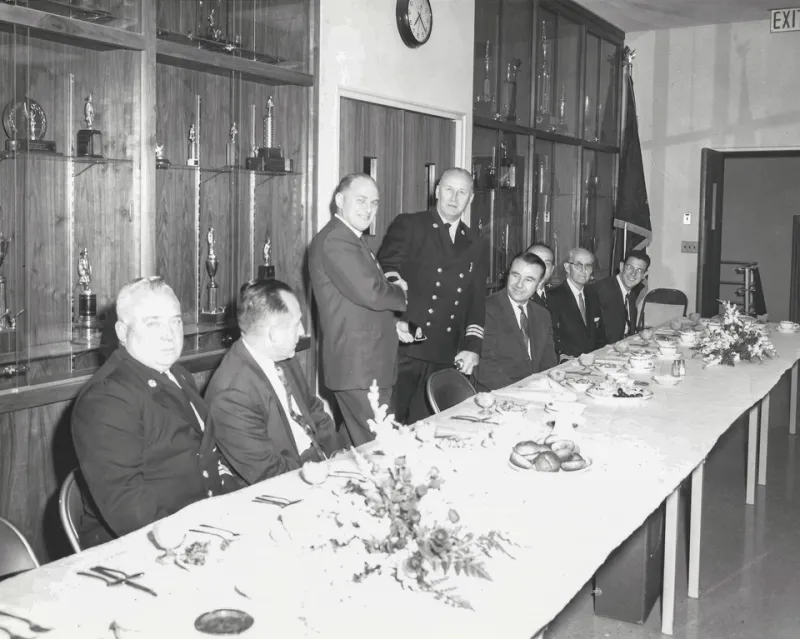
Photo: Unknown authorUnknown author, Public domain, via Wikimedia Commons
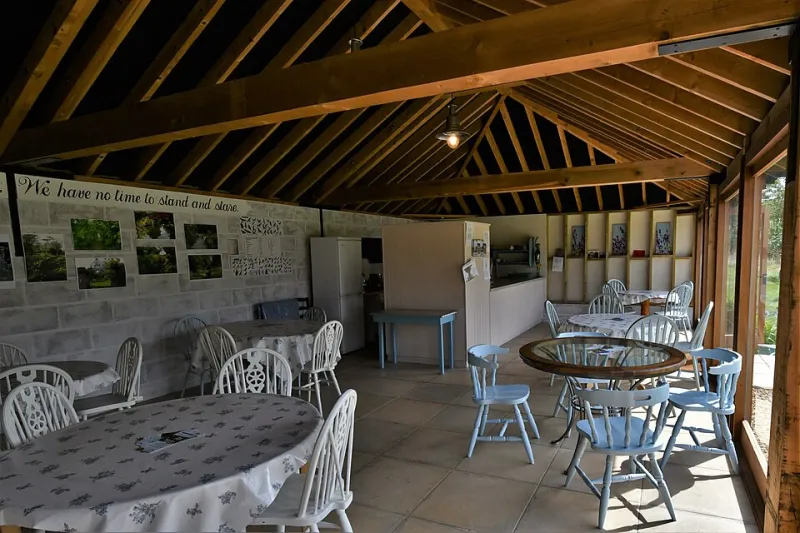
I once sound-checked a fridge. Not deliberately, and not especially well, but it happened. The venue was a village hall with a serving hatch at the back, and beneath the hatch sat a chest freezer that cycled on every eleven minutes with a low, aggrieved hum. We spent forty minutes trying to notch it out of the vocal mic before the caretaker wandered past and asked why we didn't just unplug it for the evening. Reader, we unplugged it. The show was fine. The homemade flapjack in the freezer was, sadly, no longer at its best.
That night set the tone for everything I've done since in rooms that were built for whist drives, jumble sales and the occasional christening rather than for theatre.
The room gets a vote
A purpose-built theatre is a series of agreements. The acoustics are treated, the power is clean, the doors are heavy, and the world outside has been politely asked to stay there. A church room or a parish hall is not a series of agreements. It's a set of opinions, and it will share them.
So before I plug anything in, I walk the space. Not the stage area — the whole building. I want to know where the kitchen is, what time the tea urn goes on, whether the radiators tick when they heat up, which door bangs, and where the nearest road sits in relation to the audience's left ear. Ten minutes of this saves an hour of swearing later.
I also record room tone. Two or three minutes of nothing happening, phone or recorder on a chair in the middle of the seating. It's dull to listen back to and genuinely useful: it tells you the frequency of the hum, the rhythm of the boiler, and whether the strip light in the corridor is doing that thing where it buzzes in a pattern you'll hear all night once you've noticed it.
Mics want to be close, then closer
In a hall with hard walls and a high ceiling, everything you don't want arrives late and loud. The fix is rarely more processing. It's proximity.
- Get the mic closer to the mouth than you would in a treated space, and use a cardioid pattern so it's less interested in the room behind the performer.
- Foam does almost nothing about a fridge. It does quite a lot about wind from a doorway. Know which problem you have.
- Keep the PA off the same ring main as the kitchen if you can. If you can't, listen for the click when the compressor kicks in and time your quietest scene accordingly.
- Tape every cable you can see. Not for sound — for the person carrying a tray of teas who will otherwise take your whole rig down with one sandal.
And label things. In a room with three doors and no wings, an unlabelled XLR becomes a rumour.
The building has its own cue stack
Here's the bit that took me longest to learn: a community venue runs on a schedule that predates you. The boiler fires at half six. The bus goes past at quarter to seven. The church clock does its thing on the hour and takes a good nine seconds about it. Somebody's car alarm has a personality.
Rather than pretend otherwise, I write those events into the running order. If the clock chimes at eight, don't put the most delicate monologue at 19:58. If the boiler clunks into life at half seven, that's a natural place for a scene change, a laugh line, a bit of business with a prop. You are not defeated by the building; you are collaborating with it on a schedule it set.
Let the ordinary noise in
The real shift, though, was deciding that the room's noises could be part of the show rather than the enemy of it. A window that rattles in the wind is atmos. A fridge humming under a scene about waiting is, frankly, a gift. I've started leaving gaps where the room can be heard, and I've stopped apologising for them in the post-show chat.
There's a version of theatre that treats silence as sacred and every stray sound as a failure. In a church room in November, that version will make you miserable. The other version leans in, plays to the specific acoustic you've actually got, and trusts an audience to understand that a hall is a hall.
What goes in the case
My sound kit for a room like this now looks like: a couple of dynamic mics for anything close and loud, one condenser I use sparingly and never near a radiator, a small recorder, gaffer tape in a colour I can see on a dark floor, a spare jack, a headtorch, and a folded-up note that says unplug the fridge, ask about the boiler, check the doors.
None of it is glamorous. All of it means the show gets to be the thing people remember, rather than the hum they couldn't stop hearing.